
Neighborhood Deep-Dive Datasets
Our Neighborhood Deep-Dive Datasets service allows organizations and concerned citizens to see the current relationship between housing markets and households with clarity.
This service is responsive to the data needs and preferences of patrons and anchored in curating, cleaning, and analyzing data with expertise and the highest integrity. With these boxes checked, our co-created datasets “tell” the “neighborhood stories” that you care about—clearly and loudly.
Our neighborhood datasets are useful for anyone looking to inform their cases for housing policy intervention, any soul with a focus on highlighting existing gaps in housing equity, and anybody interested in building effective strategies for developing affordable housing.
Dataset Frameworks
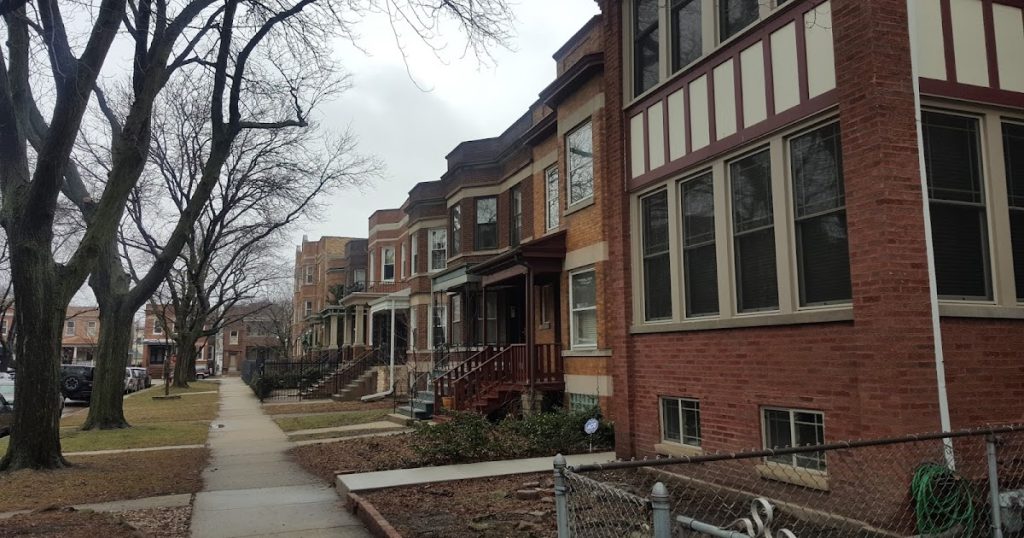
Housing Affordability
The focus of these datasets is identifying which neighborhoods are affordable to households at various income levels. Once the neighborhood stratification dynamics of a metropolitan area are documented and understood, housing affordability is tied to the percentage of neighborhoods that household-based income groups can afford. From that point, descriptive statistics are provided on the types of neighborhoods that income groups can afford.
Socioeconomic Stratification
The purpose of these datasets is presenting the straightforward facts on the socioeconomic characteristics of neighborhoods and how these neighborhoods are stratified within a metro area. Neighborhood stratification is presented through the lens of our standard stratification model and a simpler model that ties neighborhood stratification to the degree of traction on metro area socioeconomic metrics.
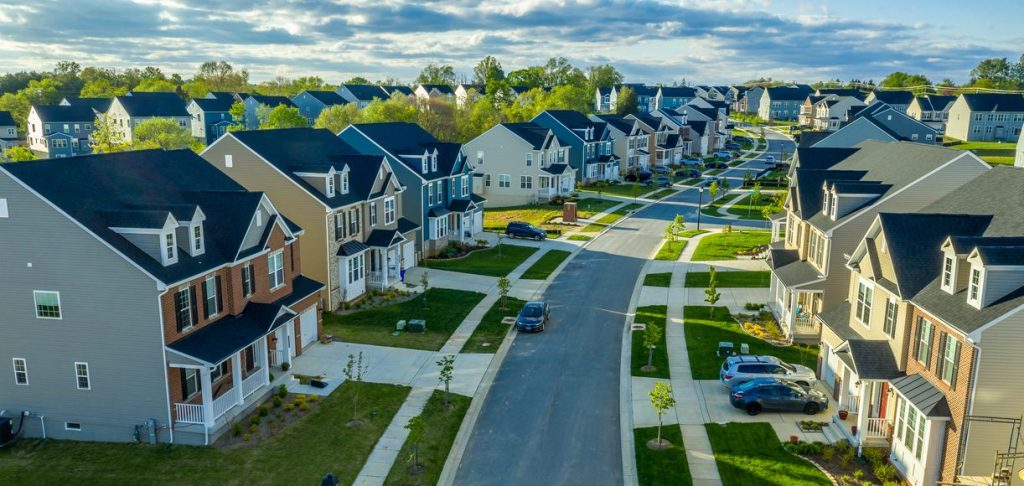

Ethnoracial Equity
The point of these datasets is presenting the facts on the relationship between neighborhood stratification, ethnoracial presence, and the degree of equity realized by historically marginalized ethnoracial groups. Neighborhood-based ethnoracial dynamics are presented through the lens of neighborhood types and group representation, plus the lens of ethnoracial attainment when it comes to matters like homeownership.
Patron-Driven Neighborhood Data
Along with choosing a specific framework for neighborhood data, patrons also select their preferred service tier and choose whether they want the dataset to be organized around data quality (sufficient reliability) or data coverage (including the maximum of neighborhoods). In the case of the Housing Affordability datasets, patrons can also choose our standard type of data that is based on median household income measures and all household types or AMI-based data that is anchored on area median income and focused on family households.